
What Is Chimney Repair & Rebuild?
Chimney repair covers everything from swapping out a few failed bricks to re‑seating loose pots and replacing cracked haunching. The aim is simple: make the stack safe, watertight and stable again without taking down more than is necessary.
When the damage has gone too far – the stack is leaning, badly fractured or breaking down across several courses – a structural rebuild is the sensible option. The defective brickwork is dismantled and rebuilt from roof level up with correctly detailed trays, flashings, haunching and pots so the chimney is effectively “as new” while still suiting the property.
Across Cheshire, we survey each chimney first, explain what we’ve found with photos, and set out whether a targeted repair or a full rebuild is the right move for your house and budget.
What Happens If Chimney Damage Is Ignored?
A tired chimney doesn’t just spoil the roofline. Cracked bricks, loose mortar and failed haunching let water straight into the stack, loft and chimney breast. That’s when you start to see damp patches, blown plaster, stained ceilings and, in the worst cases, unstable pots or movement in the stack itself.
Once water and frost get in, the damage only goes one way – small defects turn into crumbling brick faces, failing flashings and, eventually, a chimney that needs a full rebuild instead of a straightforward repair. Leaving it never saves money; it just pushes you towards a bigger, more disruptive job later.
If you’ve noticed staining around the chimney, loose pots or a stack that doesn’t look quite straight, it’s worth getting it checked properly. Use the button below to request a quotation or call 01625 920 888 to book a chimney survey.

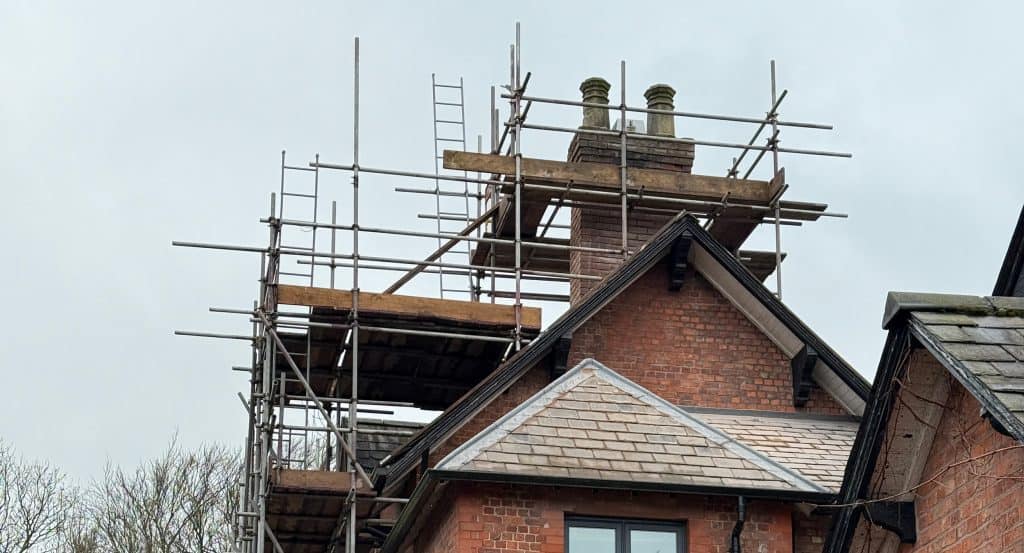
Our Chimney Repair & Rebuild Services
Haunching Repairs & Pot Realignment
The haunching is the shaped mortar around the base of chimney pots. It should shed water away from the flues and lock the pots firmly in place.
When it cracks or pulls away, water runs straight into the stack and the pots can work loose.
Cheshire Pointing will:
- Remove all cracked and loose haunching back to solid material.
- Clean and prepare the top of the stack for good adhesion.
- Re‑seat and realign the pots so they are upright and correctly spaced.
- Form new reinforced haunching with a smooth, water‑shedding finish.
- Fit appropriate cowls or caps where flues are in use or redundant.
Done properly, a haunching repair should last for many years and dramatically reduce the risk of leaks and wind damage around the pots.
Structural Chimney Rebuilds
Where a stack has moved, is severely cracked or is breaking down across several courses, a structural rebuild is often the safest route.
Cheshire Pointing manages the whole process, from making‑safe through to final tidy‑up.
Typical works include:
- Temporary making‑safe – securing loose sections, arranging scaffold and protecting exposed roof areas.
- Careful dismantling – taking down the defective stack by hand, salvaging bricks where appropriate.
- Brick matching – sourcing suitable new or reclaimed bricks to match size, colour and texture.
- Rebuild & detailing – rebuilding course by course with correct mortar, bonding and any required trays/liners.
- Final flaunching & pots – refitting or replacing pots, forming new haunching and installing cowls or caps.
Throughout the job, clients are kept updated with photos showing exactly what has been done and why, which is especially helpful for insurance claims or when clients are not on site.
Chimney Stack Reduction & Removal
Where a chimney stack is redundant, severely weakened or causing ongoing problems such as leaks or movement, partial reduction or full removal is often the most sensible option. Leaving a badly deteriorated stack in place usually ends up costing more in the long run.
Cheshire Pointing undertakes controlled chimney reductions and removals, including:
- Initial assessment – checking the condition of the stack, support, proximity to party walls and any connected appliances.
- Making‑safe & access – securing loose masonry, arranging scaffold and protecting surrounding roof areas.
- Careful dismantling – taking down the stack by hand, avoiding damage to tiles, slates and roof structure.
- Roof make‑good – installing new underlay, battens and matching tiles/slates to close the opening properly.
- Venting & finishing – ensuring redundant flues are vented where required and leaving the roofline neat and weather‑tight.
A properly executed reduction or removal removes the ongoing risk of falling masonry and persistent water ingress, while leaving the roof looking tidy rather than patched.
Lead Flashing & Chimney Waterproofing
Many chimney leaks originate not in the brickwork itself but where the stack meets the roof. Perished lead flashings, poorly seated soakers or cracked mortar fillets allow water to track under the tiles and into the loft.
Cheshire Pointing carries out comprehensive flashing and waterproofing work around chimneys, including:
- Inspecting existing leadwork, soakers, back gutters and abutments for splits, cracks and poor detailing.
- Carefully stripping back tiles or slates as required to access defective flashings.
- Supplying and fitting new code‑graded lead flashings, soakers and trays to current best practice.
- Forming neat, weather‑struck lead chases with suitable sealants or mortar as appropriate.
- Checking associated pointing, haunching and tiles, and making minor remedial repairs where required.
Correctly detailed leadwork and waterproofing around the stack offer long‑term protection against driving rain, wind‑blown water and freeze–thaw damage, greatly reducing the chance of persistent leaks reappearing.
Chimney Cowls, Caps & Flue Management
Poorly protected chimney pots allow rain, birds and debris straight into the flues. This can lead to damp staining, blockages, poor draw and, in the worst cases, fumes backing up into the property. Redundant flues also need to be capped correctly so they can breathe without taking on water.
Cheshire Pointing supplies and fits a full range of chimney cowls, caps and terminals, typically including:
- Survey of flues – confirming which flues are live, which are redundant and what each one serves.
- Cowl selection – specifying suitable cowls for solid fuel, gas appliances, anti‑downdraught and bird‑guard requirements.
- Installation – securely fixing cowls and terminals to existing pots, or supplying and fitting new pots where necessary.
- Redundant flue caps – fitting ventilated caps to disused flues so they stay dry but still allow moisture and air to escape.
- Final check – ensuring all terminals are correctly seated, secure and accessible for future maintenance or sweeping.
Correctly managed pots and flues reduce damp problems, improve appliance performance and cut down on maintenance issues caused by nesting birds and wind‑driven rain.
Before And After Chimney Rebuild

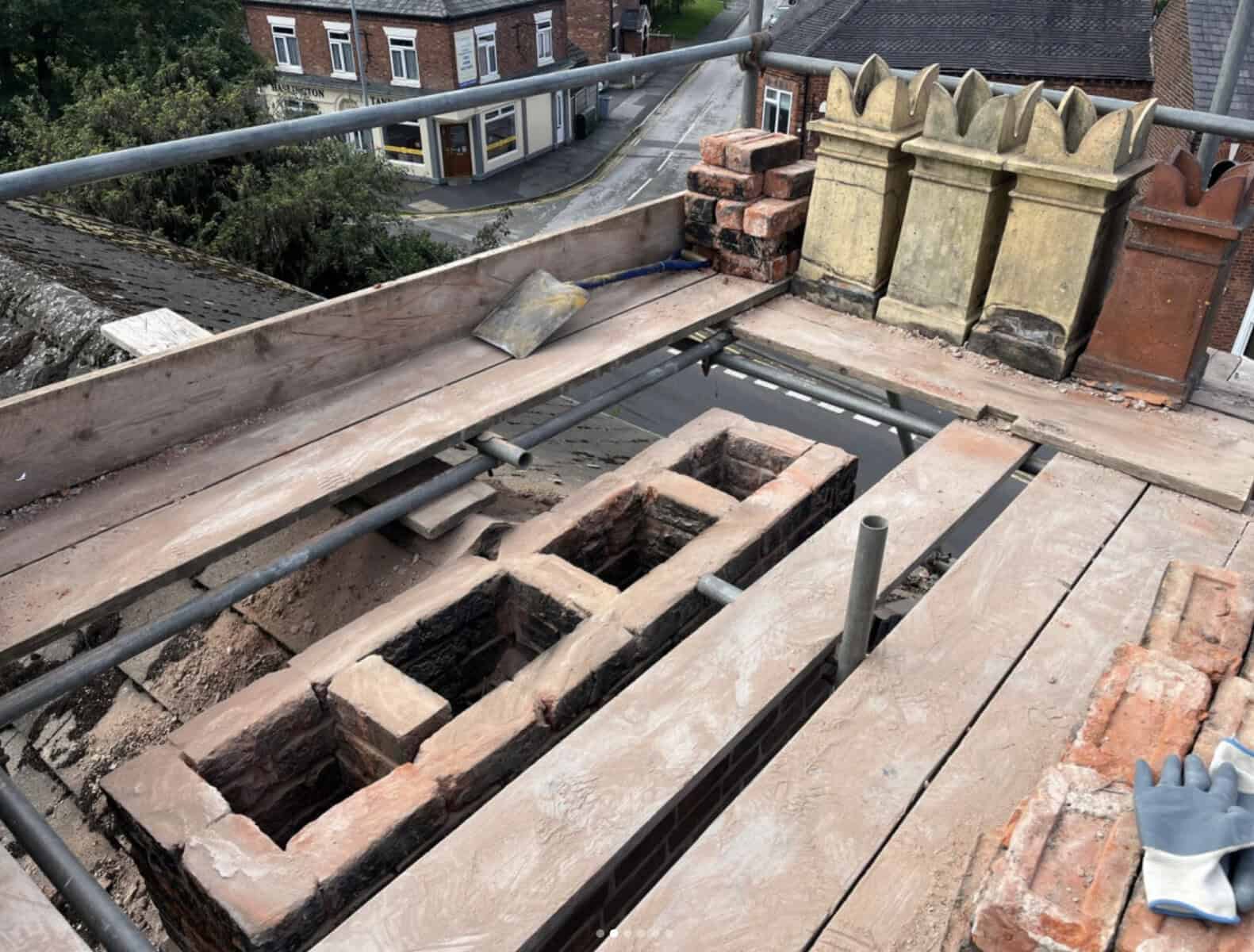
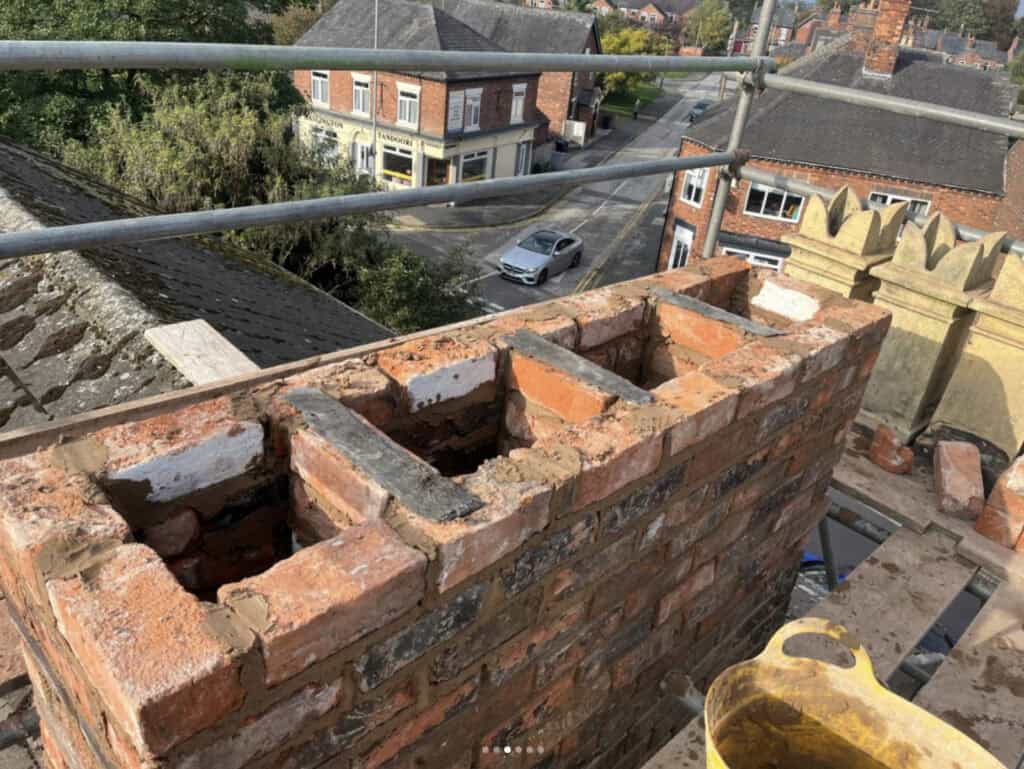
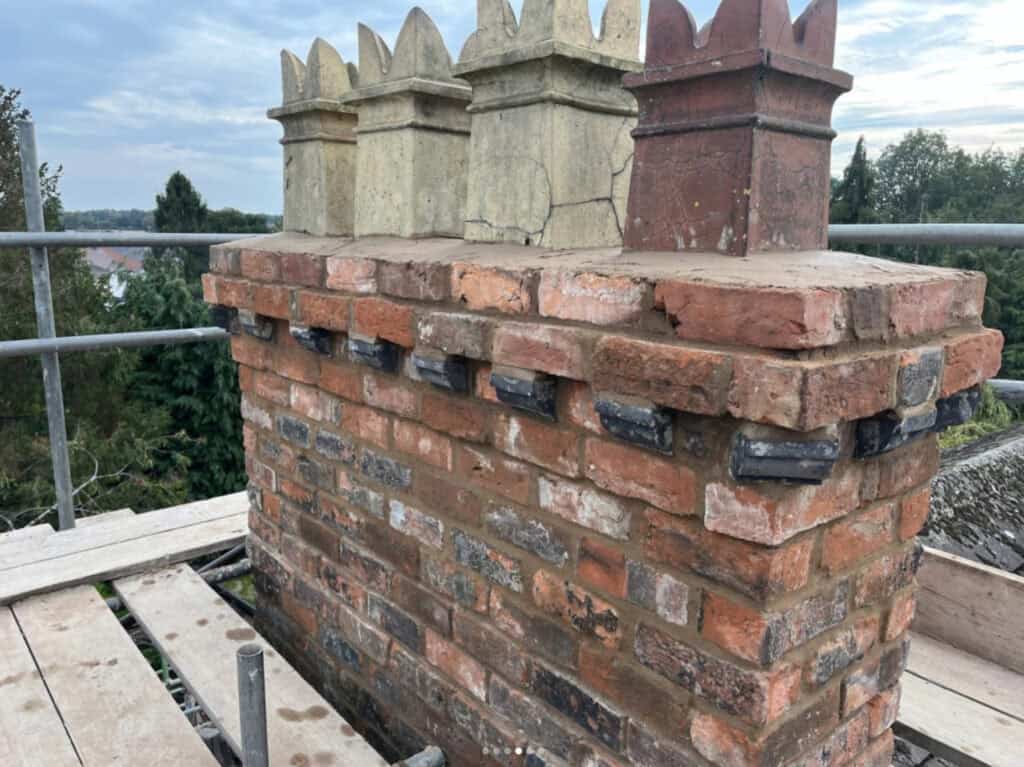
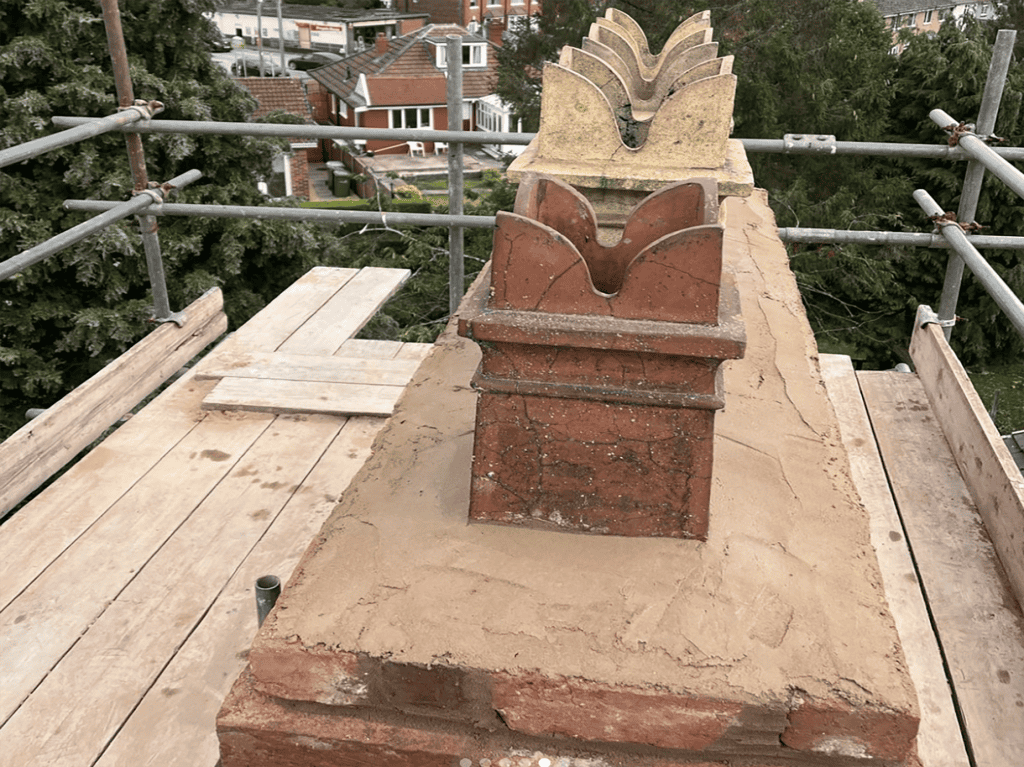
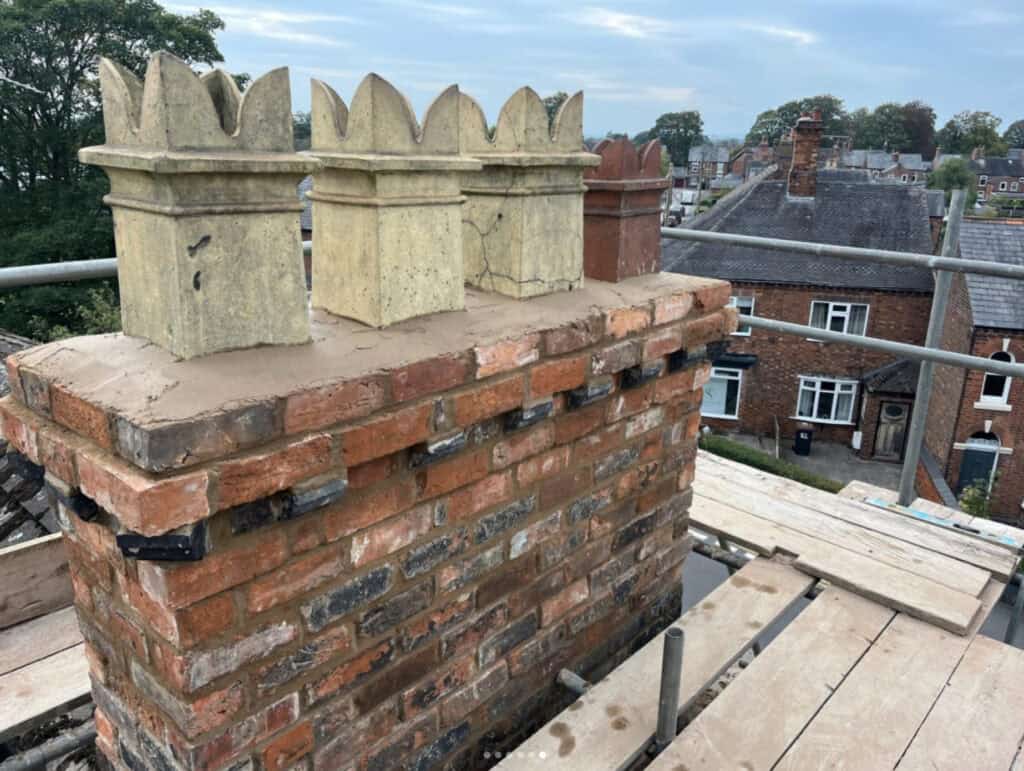
Why Repair Or Rebuild Your Chimney?
Your chimney takes the worst of the weather and usually deteriorates faster than the rest of the property. Cracked haunching, loose pots, failed brickwork or a leaning stack all allow water in, damage the roof and, in bad cases, make the structure unsafe.
Cheshire Pointing Ltd carries out specialist chimney repairs and structural rebuilds to keep the stack stable, watertight and compliant.
Before And After Chimney Haunching Repairs
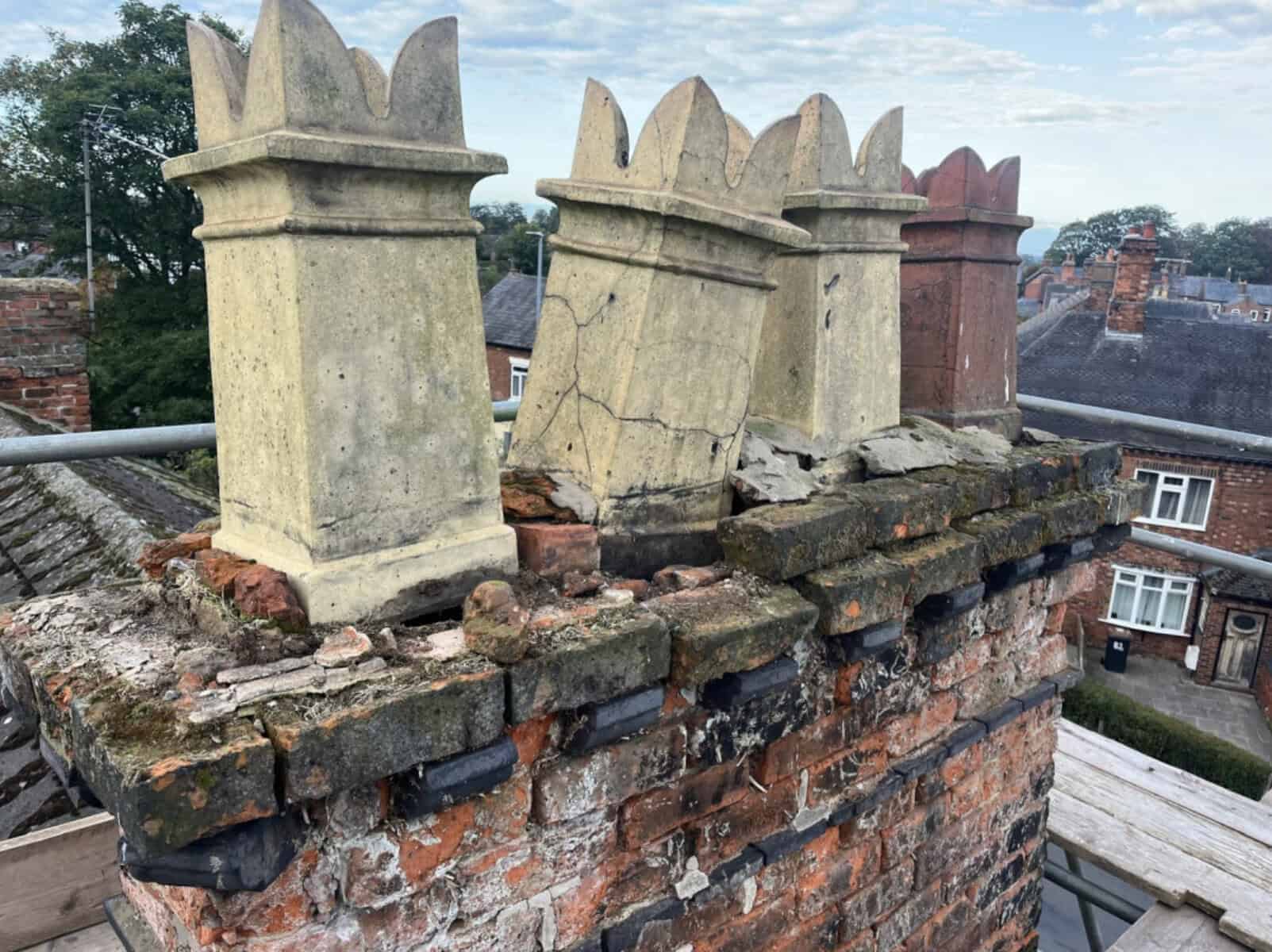
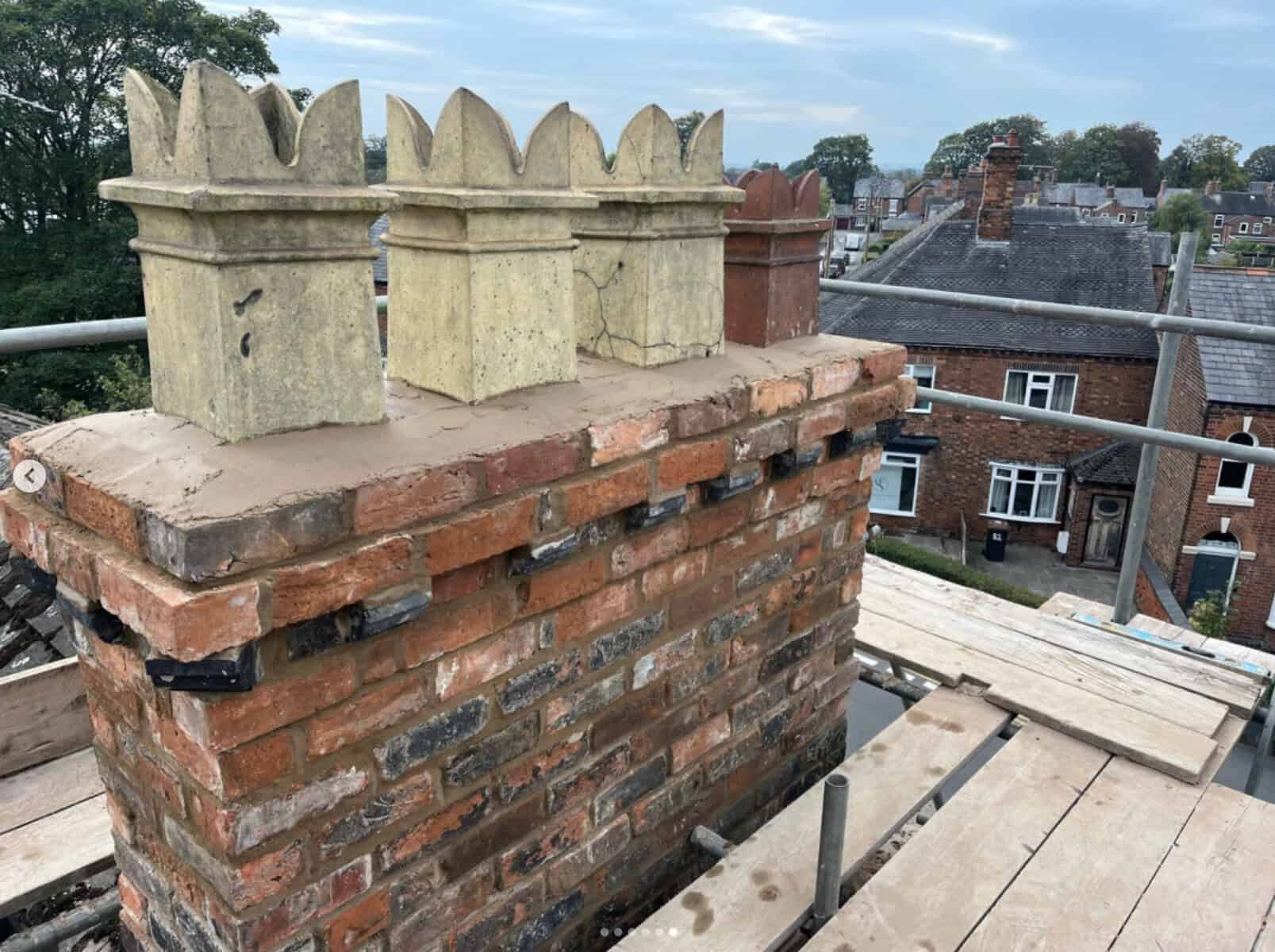

Need Your Chimney Pointing Or Repointing?
If the brickwork is still sound but the mortar is cracked, hollow or washing out, you don’t need a full rebuild – you need the joints sorting before water gets in. Chimney pointing and repointing seals the stack again, stops leaks before they reach your ceilings and prevents a minor issue turning into structural damage.
We inspect each chimney properly and tell you straight whether repointing alone is enough or if other repairs are needed. Our team can:
- Rake out loose, cracked and failing chimney joints to the correct depth
- Repoint stacks with suitable lime or sand‑and‑cement mortars, colour‑matched to the existing work
- Replace isolated damaged or spalled bricks while we’re on the scaffold
- Tidy up past patch repairs and make minor fixes to flashings and haunching where required
All work is done from safe access with a clean, neat finish, leaving your chimney weather‑tight and looking right for years to come.
When Might Your Chimney Need Repair Or Rebuilding?
Visible cracks running through several courses of brickwork
Haunching around chimney pots broken, missing or washed away
Deep frost damage / heavy crumbling to faces / corners of bricks
Smoke stains / water marks tracking down the outside of the stack
Chimney stack leaning, twisted or pulling away from the roof
Chimney pots tilted, rattling in wind or showing open gaps at the base
Large gaps opening between the stack and lead flashings or tiles
Patchwork of old repairs with mismatched bricks and weak mortar
Bricks loose, missing or dropping pieces onto the roof or ground
Repeated leaks around the stack even after minor patch repairs
Damp, bulging or blown plaster along the chimney breast indoors
Surveyor/roofer/insurer has flagged the chimney as unsafe or unstable
Heritage Chimney Repairs & Rebuilds
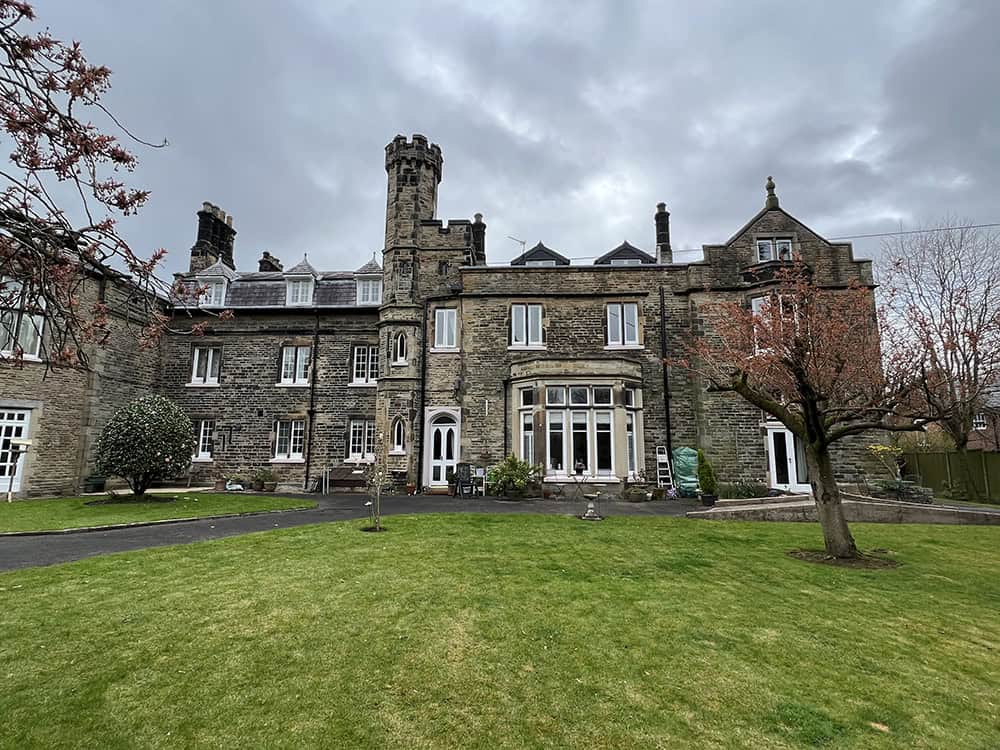
Older chimney stacks on heritage and listed buildings are usually built from soft brick or stone and lime mortar. Treat them like a modern sand‑and‑cement chimney and the result is trapped moisture, spalled faces, salt damage and a very unhappy conservation officer. When a historic stack starts to crack, lean or break down, any repair or rebuild has to protect both the structure and the character of the building.
For heritage chimney work, Cheshire Pointing:
- Uses traditional lime mortars matched to the original colour, texture and strength
- Carefully surveys and records the existing stack so detailing, profiles and corbelling can be replicated
- Dismantles unstable sections by hand, salvaging and reusing bricks, stone, pots and copings wherever it is safe to do so
- Rebuilds course by course, following original bonding, dimensions and features while discreetly adding any agreed reinforcement or liners
- Works with conservation officers, architects and surveyors, supplying samples, method statements and progress photos where required
Whether the property is a small cottage or a large listed estate, the goal is the same: a chimney stack that is structurally sound, weather‑tight and compliant, without losing the age and character that make the building worth protecting in the first place.